
Solenoid Cabinet Locks

Open a locker at a co-working space, a smart mailbox, a vending machine, or a hotel amenity cabinet, and there's a good chance you're not turning a key or spinning a dial at all. You're tapping a card, scanning a code, or pressing a button on an app — and somewhere inside that cabinet, a small electromagnetic component is doing the actual work of letting the door swing open. That component is a solenoid lock, and it's quietly become one of the most important parts in modern cabinet and locker design.
If you're an engineer specifying hardware for a smart furniture project, a manufacturer building lockers or cabinets, or simply trying to understand why your access-control system needs "a solenoid lock" instead of a regular one, this post walks through what solenoid cabinet locks actually do, what separates a good one from a bad one, and where KERONG fits into that picture.
What Is a Solenoid Cabinet Lock, Exactly?
A solenoid lock is an electromechanical locking device built around a solenoid — a coil of wire that generates a magnetic field when current passes through it. That magnetic field pulls or pushes a metal bolt or plunger, which either locks or releases the latch. In plain terms: send it an electrical signal, and the lock opens (or closes). No physical key, no manual dial.
This makes solenoid locks the natural fit for anything that needs to be controlled electronically rather than mechanically — which is exactly why they show up everywhere in modern cabinet, locker, and furniture design:
Smart lockers and parcel delivery boxes
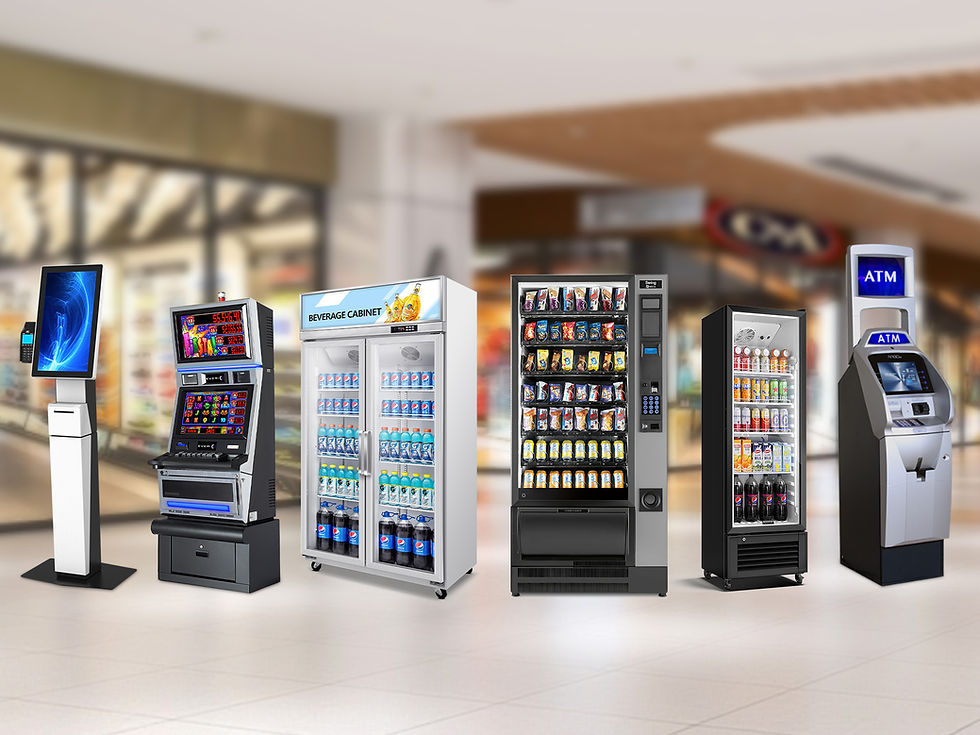
Vending and micro-fulfillment machines
RFID and keypad-controlled office cabinets
Hotel minibars and amenity drawers
Data cabinets and equipment enclosures
Retail display cases with remote unlock
Anywhere a system needs to say "unlock now" from a card reader, a mobile app, a central server, or a timer, a solenoid lock is usually the component translating that digital signal into physical motion.

Why Solenoid Locks Matter More Than People Realize
It's easy to think of a solenoid lock as a small, replaceable part. In practice, it's one of the most failure-prone points in an entire access-control system if it's poorly made — and one of the most reliable if it's engineered well.
A few reasons solenoid lock quality has an outsized impact:
1. It's the single point of physical failure. Your access-control software, your RFID reader, your app — all of that can work perfectly, but if the solenoid doesn't retract cleanly, the cabinet still won't open. Everything upstream depends on this one mechanical action succeeding, every single time.
2. Duty cycle matters. Some solenoid locks are only rated for occasional use; others are built for thousands of unlock cycles a day, as with vending machines or shared lockers. Choosing the wrong duty-cycle rating leads to premature failure.
3. Power and current draw affect system design. Low-quality solenoids can draw excess current or generate more heat than expected, straining batteries in wireless smart lockers or requiring oversized power supplies in larger installations.
4. Fail-safe vs. fail-secure behavior matters for compliance. Depending on the application, a cabinet might need to unlock automatically during a power outage (fail-safe) or remain locked no matter what (fail-secure). This is a design decision that has to be built into the lock, not bolted on afterward.
5. Noise and feel matter more than people expect. In hospitality, retail, and office settings, a solenoid lock that clunks loudly or feels weak on release actually affects how "premium" a product feels to the end user — even if the underlying security is fine.
What to Look for in a Quality Solenoid Cabinet Lock
If you're specifying or sourcing solenoid locks for a cabinet, locker, or furniture project, here's what separates the reliable options from the ones that cause support tickets six months later:
Rated cycle life that matches your actual use case (light residential use vs. high-frequency commercial use)
Appropriate voltage and current specifications that integrate cleanly with your existing control board or access system
Clear fail-safe/fail-secure configuration available to match your application's safety and security requirements
Compact, integration-friendly form factor that fits standard cabinet and locker door thicknesses without custom retrofitting
Consistent manufacturing tolerances, since solenoid locks are almost always installed at scale — one bad batch can mean hundreds of locker doors with inconsistent unlock behavior
Compatibility with common control signals (12V/24V DC, momentary vs. continuous trigger) so it plays well with whatever access-control brain is running the system
How KERONG Approaches Solenoid Cabinet Locks
KERONG has spent years focused specifically on lock hardware for cabinets, lockers, and furniture applications — which means solenoid locks aren't a side product for us, they're core to what we build. A few things shape how KERONG designs and manufactures this hardware:
Application-specific engineering. Rather than offering a single generic solenoid lock, KERONG develops variants suited to different use cases — from light-duty office cabinets to high-cycle vending and shared-locker environments — so customers aren't over- or under-specifying hardware.
Integration-first design. KERONG's solenoid locks are built with common control voltages and trigger signals in mind, so they integrate smoothly with the RFID readers, keypads, and app-based control systems that furniture manufacturers and system integrators are already using.
Manufacturing consistency at scale. Because solenoid locks are typically deployed across large batches of lockers or cabinets, KERONG's production processes are built around tight tolerances and consistent quality control, so integrators aren't troubleshooting outlier units after installation.
Support for both fail-safe and fail-secure configurations, allowing solenoid locks to be matched correctly to the compliance and safety needs of different industries — hospitality, retail, logistics, and workplace furniture among them.
A track record across real deployments. KERONG's cabinet lock hardware, including solenoid-based designs, has been used in locker, cabinet, and furniture projects across a range of commercial settings, giving the company practical experience with how these locks actually perform under everyday operating conditions rather than just in lab testing.
Who This Matters For
Solenoid cabinet locks from KERONG are especially relevant for:
Locker and smart furniture manufacturers building app- or RFID-controlled storage products
System integrators deploying access-control solutions across office, retail, or logistics environments
Vending and parcel locker companies that need locks rated for high daily cycle counts
Hospitality suppliers designing minibar, safe, or amenity cabinet hardware
OEMs who need a manufacturing partner capable of consistent, large-batch production
Final Thoughts
Solenoid cabinet locks don't get much attention — they're hidden inside the furniture, triggered by software most users never think about, and judged only when something goes wrong. But that invisibility is exactly why the underlying engineering matters so much. A well-built solenoid lock is the difference between a smart locker system that just works, quietly, for years, and one that generates a steady stream of maintenance calls.
If you're building or sourcing cabinets, lockers, or smart furniture that need reliable electronic locking, it's worth treating the solenoid lock as a core design decision rather than an afterthought — and working with a manufacturer that treats it the same way.
Looking to source solenoid cabinet locks for a locker, vending, or smart furniture project? Get in touch with KERONG to discuss specifications, duty-cycle requirements, and bulk manufacturing options for your application.


Comments