
What Is a Passive Electric Lock?

In an era where smart technology is transforming every aspect of our lives, the humble lock is undergoing its own quiet revolution. Enter the passive electric lock—a next-generation locking solution that is redefining security, efficiency, and sustainability across industries worldwide.
At KERONG, we've been at the forefront of this innovation since 2002, designing and manufacturing passive electronic locks that power everything from medical equipment cabinets to vending machines and smart city infrastructure. But what exactly is a passive electric lock, and why is it rapidly becoming the preferred choice for businesses seeking intelligent access control?
What Is a Passive Electric Lock?
A passive electric lock (also known as a passive electronic lock) is an advanced locking mechanism that operates without an internal battery, wiring, or onboard power source.
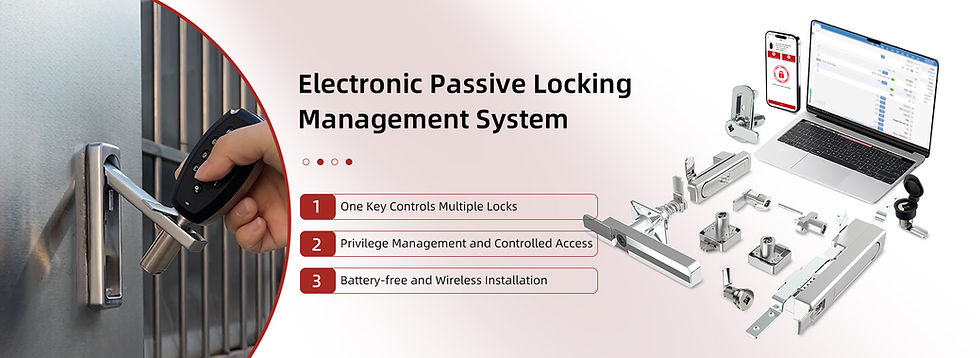
Unlike traditional electronic locks that rely on built-in batteries or hardwired electrical connections, a passive lock remains completely dormant until activated by an external authorized key or device. When the smart key makes contact with the lock cylinder, it delivers a brief burst of power that energizes the lock's internal chip and motor. The lock then verifies the key's credentials and, if authorized, releases the mechanism to unlock.
The term "passive" refers precisely to this absence of an internal power source. The lock itself is "passive"—it waits silently until an "active" key brings it to life.
How Does a Passive Electric Lock Work?
The working principle is elegantly simple yet technologically sophisticated:
Dormant State: The lock sits idle with no power consumption, no battery to drain, and no wiring required.
Contact Activation: An authorized electronic key (NFC-enabled, RFID, or Bluetooth smart key) makes physical or near-field contact with the lock.
Power Transfer: The key transfers a small amount of electrical energy to the lock's microchip.
Authentication: The lock's embedded chip verifies the key's encrypted credentials in milliseconds.
Unlock: Upon successful verification, the motor disengages the locking mechanism, allowing access.
Audit Trail: The key records the access event (time, date, lock ID), creating a complete traceable log.
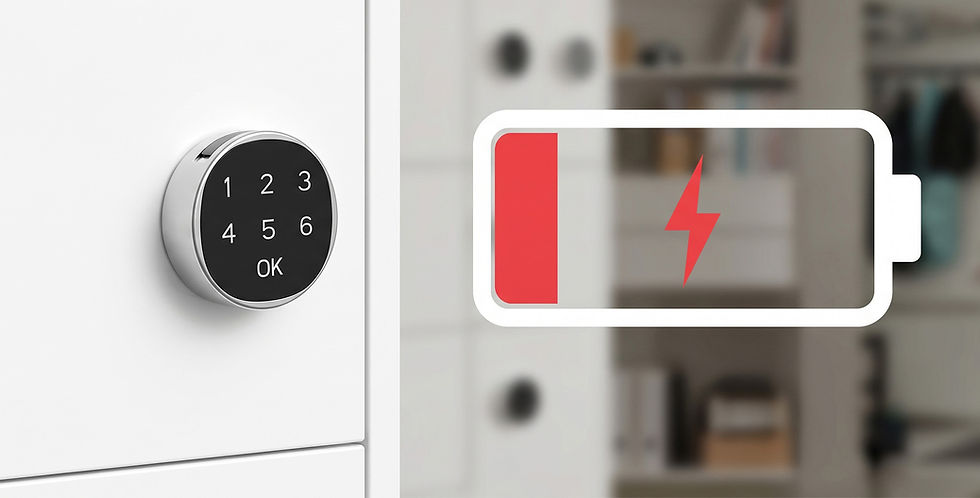
This battery-free architecture solves one of the most persistent pain points in electronic access control: power dependency.
Why Passive Electric Locks Are the Future
1. Zero Battery Maintenance
Traditional electronic locks require regular battery replacements—a costly and logistically challenging task, especially when managing hundreds or thousands of locks across multiple locations. Passive locks eliminate this burden entirely.
2. No Wiring Required
Installation is dramatically simplified. There's no need to run power cables through walls, cabinets, or equipment. This makes passive locks ideal for retrofitting existing infrastructure without disrupting operations or aesthetics.
3. Unmatched Durability
Without batteries that can leak, corrode, or fail in extreme temperatures, passive locks offer superior longevity. KERONG's passive locks are engineered with waterproof and dust-proof designs—many featuring silicone caps and magnetic metal covers—to withstand harsh industrial environments.
4. Enhanced Security
Each access event is encrypted and logged. Administrators can track who accessed what, when, and where—creating an accountability framework that mechanical locks simply cannot provide. KERONG's solutions support multiple unlocking methods including NFC, Bluetooth, RFID, and digital passwords, ensuring flexibility without compromising security.
5. Environmental Sustainability
By removing disposable batteries from the equation, passive locks significantly reduce electronic waste and environmental impact—a growing priority for modern enterprises committed to green operations.
6. One Key, Multiple Locks
A single authorized key can control multiple locks of different types and sizes. Whether you're securing a small electrical cabinet with a miniature cam lock or a large industrial enclosure with a three-point interlocking system, one key does it all. Ready to explore how passive electric locks can transform your operations? Contact KERONG today for a free consultation and discover why leading businesses worldwide trust us for their smart locking needs.


Comments